Configure your shipping blueprint
Connect your carrier accounts and manage seller preferences through Rithum’s centralized platform.

Rithum shipping label management was designed to give retailers and third-party sellers fulfillment efficiency like never before. Gain control over your shipping operations, improve customer satisfaction, and boost operational efficiency—all through a single, integrated platform that works effortlessly with your processes.

Rithum makes it easy to manage shipping standards across seller networks—reducing errors, improving customer satisfaction, and optimizing shipping costs at scale.
You dictate which shipping methods and carrier accounts are used, ensuring consistency across all third-party orders. This reduces discrepancies, enhances brand alignment, and fosters a smoother shipping experience for customers.
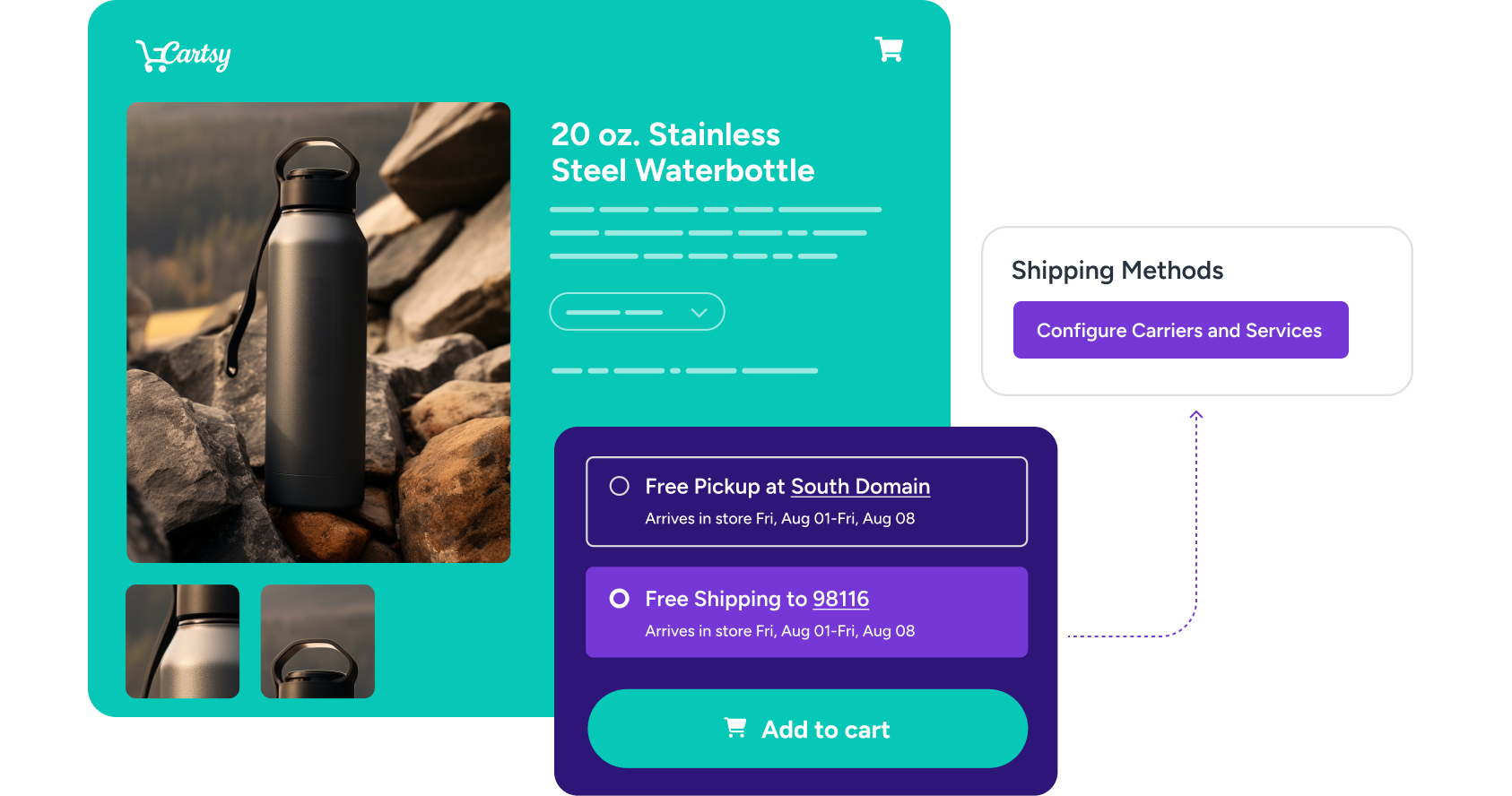
With consistent carriers and uniform shipping labels, your customers get reliable tracking and fewer delivery issues. This elevated experience builds trust and improves shopper retention.

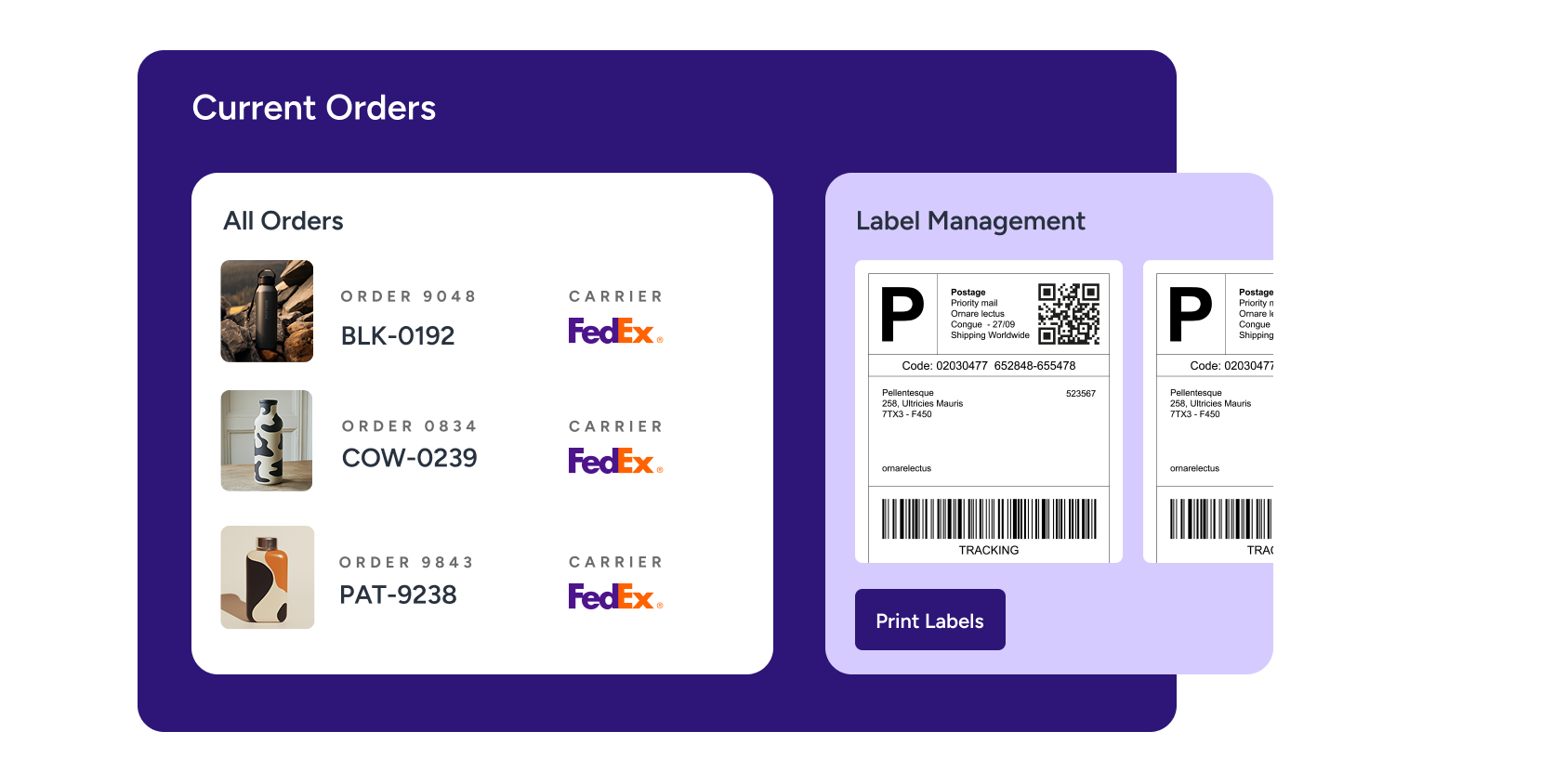
No more guessing on carrier or service levels. Sellers download ready-to-use, pre-approved labels—minimizing manual effort and fulfillment errors.
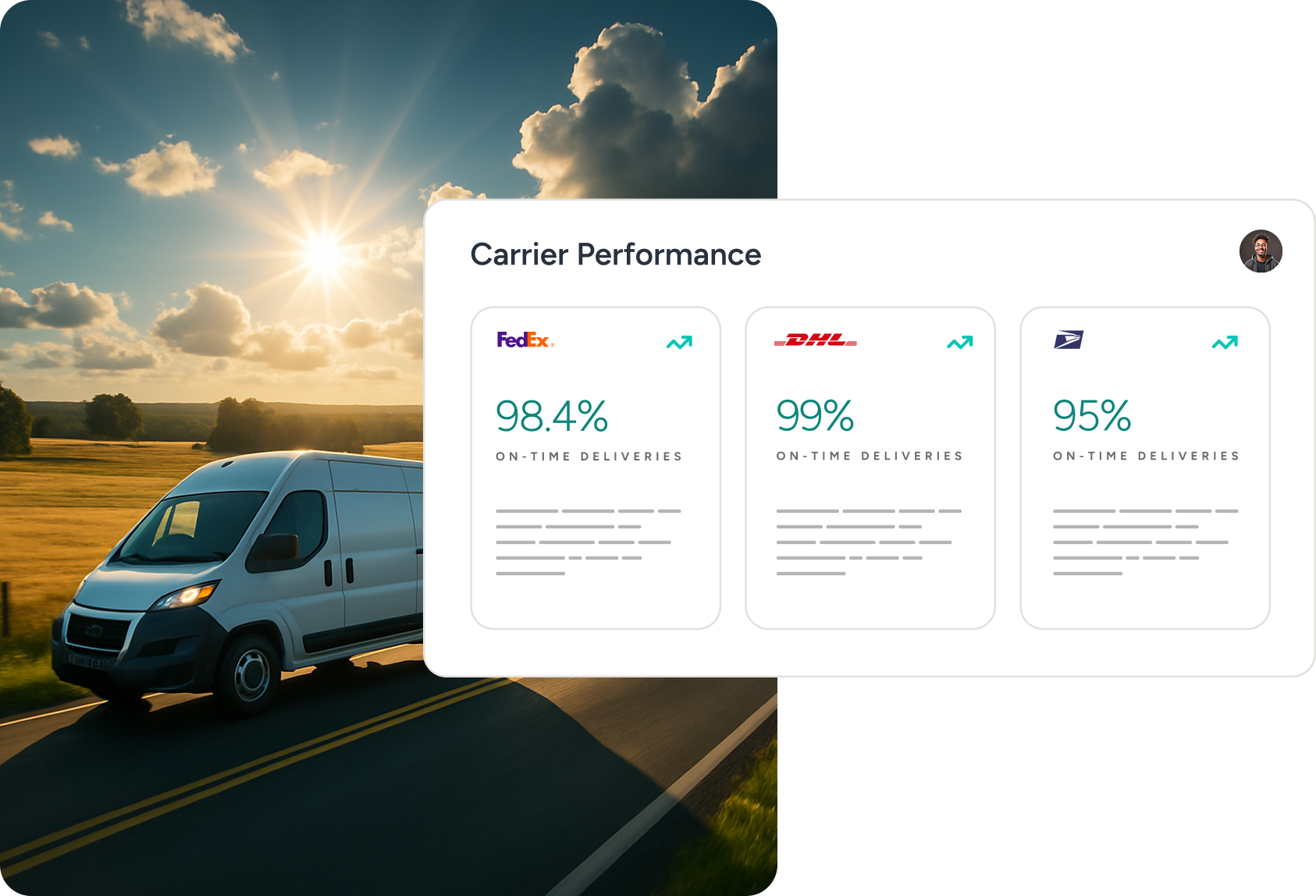
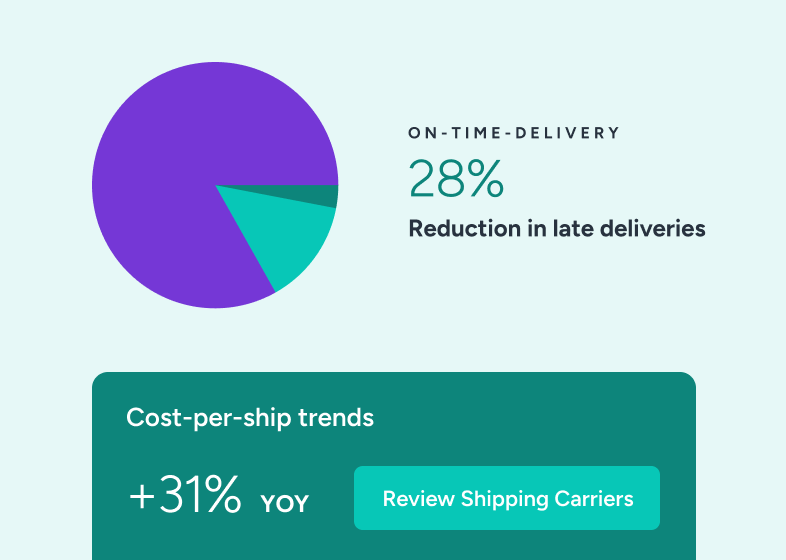
Get real-time insights into carrier-level performance across your seller network. From monitoring fulfillment activities to faster issue resolution, granular data keeps you in control.
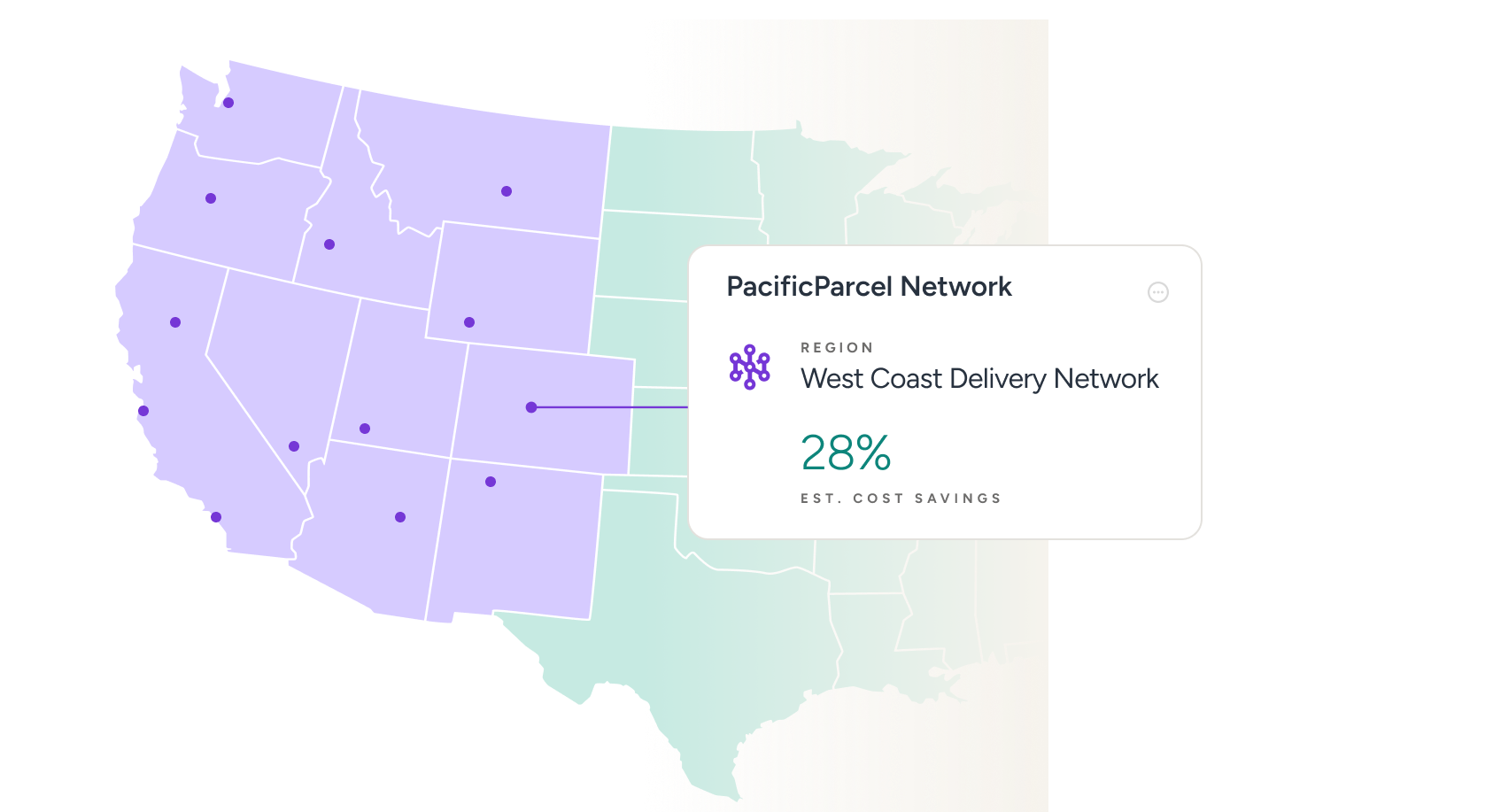
Easily onboard new carriers or optimize delivery speed and costs dynamically. Leverage your own negotiated carrier rates to access volume discounts and align seller processes with your logistics strategies. From expanding delivery options with regional carriers to accommodating unique shipping needs, Rithum adapts to support your business ambitions.
Connect your carrier accounts and manage seller preferences through Rithum’s centralized platform.
Orders flow in, and sellers access retailer-approved shipping labels.
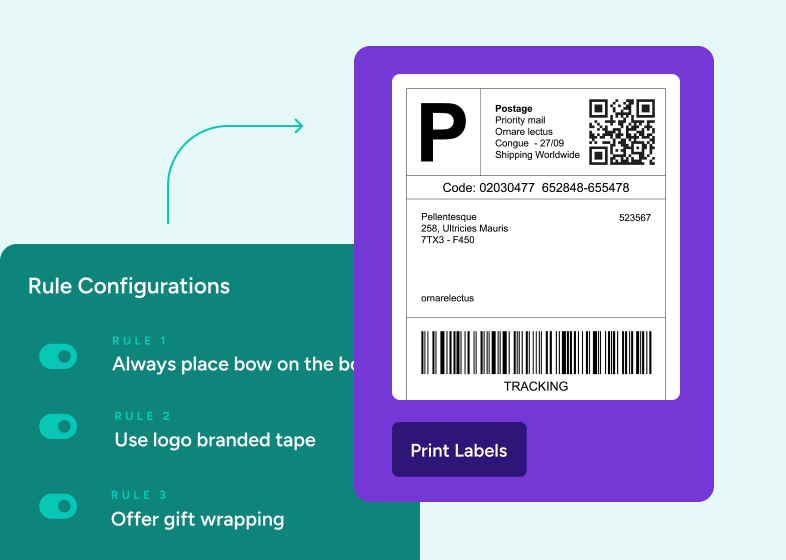
Sellers fulfill orders using your preferred carriers and service levels—ensuring alignment, speed, and accuracy.
Learn more about how Shipping Label Management simplifies the creation, tracking, and management of shipping labels across carriers and fulfillment workflows. Find answers to common questions about automation, operational efficiency, compliance, and how centralized label management supports faster, more accurate shipping operations.
Rithum helps retailers standardize fulfillment across their seller network with retailer-controlled shipping labels. Retailers can define the shipping methods and carrier accounts their sellers use, which keeps third-party orders consistent with delivery standards. That gives retailers more control over shipping operations while reducing discrepancies across seller-fulfilled orders.
Yes, retailers control which carriers, carrier accounts, and shipping methods are used for seller-fulfilled orders. This centralized control helps keep fulfillment aligned with the logistics strategy and brand expectations. It also makes it easier to maintain consistency as a retailers seller network grows.
Rithum helps retailers enforce vendor shipping label compliance by applying routing guide standards and carrier rules at the point of label creation. Rather than auditing errors after the fact, the system prevents non-compliant labels from being generated in the first place. This proactive enforcement reduces chargebacks, minimizes disputes, and protects retailer brand standards across a distributed fulfillment network.
Rithum reduces shipping label errors by replacing manual processes and inconsistent vendor workflows with automated, rule-based label generation. By validating carrier requirements, shipment data, and routing logic before labels are produced, the platform minimizes costly mistakes that can result in delays, penalties, or customer dissatisfaction. Retailers gain greater control over fulfillment standards while reducing administrative overhead.
Yes, retailers can leverage their own negotiated carrier rates through shipping label management. This helps extend a shipping strategy across third-party fulfillment while supporting cost optimization at scale. It also gives retailers more flexibility to align seller shipping activity with their preferred carrier relationships.
Experience the power of connected commerce
Speak with one of our commerce experts and request a demo. Discover why more than 40,000 of the world’s largest brands and retailers trust us to help meet their profitability goals and orchestrate a seamless, end-to-end commerce experience.